
it's a bit rubbish
notice more.

It started with a photo I shared on Instagram stories. It led to a few messages from people upset by it. Which led to me thinking about apologising for any offence caused before swiftly deleting the story. But I didn’t. Because I didn’t actually believe I had done something wrong.
So what was this offensive image?
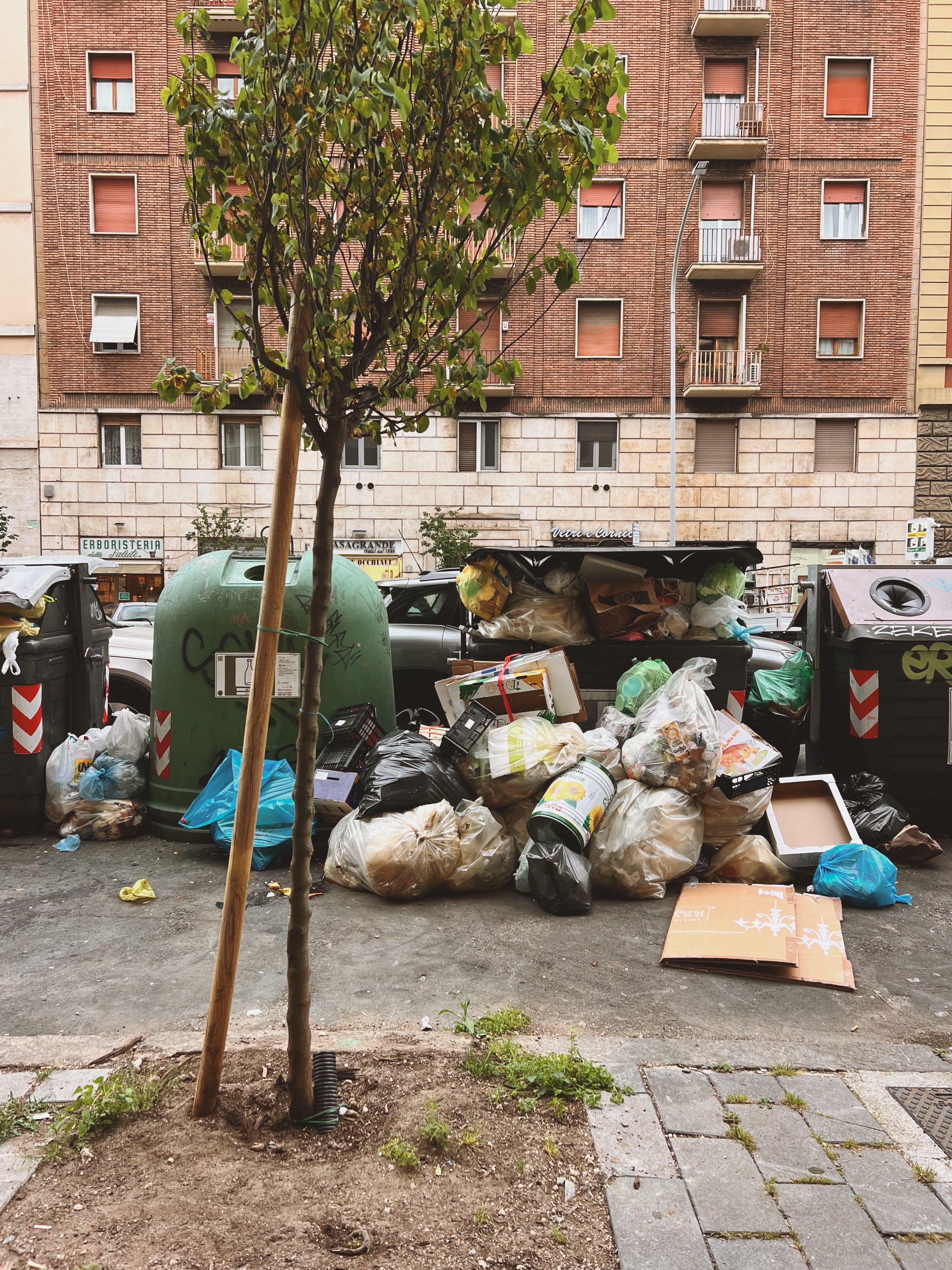
A candid shot taken in Rome. Yes, it’s rubbish. Rubbish piled on a street. Rubbish overflowing. My offence, it seems, was that I showed a negative side of the Eternal City. As though acknowledging what exists in public view is somehow an act of betrayal. As though cities must only be photographed in ways that comfort postcards. It’s strange, isn’t it? This expectation of how a city should be documented and portrayed.
Truth is, I was never interested in the rubbish as spectacle. Rubbish is super ordinary after all. And I am always drawn to the wordless ways a city talks to us. In this instance, I was looking for a glimpse of how people live in the city, and how the city responds.
Rubbish, believe it or not, is an eloquent urban narrator. It’s one of the city’s many mouths. One of the ways it tells on itself. It might not be neat, polite or pretty with its prose, but it sure is honest. What swells at the pavements are truths about its citizens’ appetites, but there are also songs of exhaustion, loneliness, excess, survival, consumption and reinvention in its chorus.
I think most people who connect with super ordinary life can make these connections and can see that there is something deeply human in the overflow. Maybe that’s why it unsettles people. Because rubbish, in all its supposed ugliness, sits there, undoing the fantasy. Squatting at the edges of the postcard. Telling on us. Spilling private lives into public view. Digesting itself in public. It makes it so easy to turn away from.
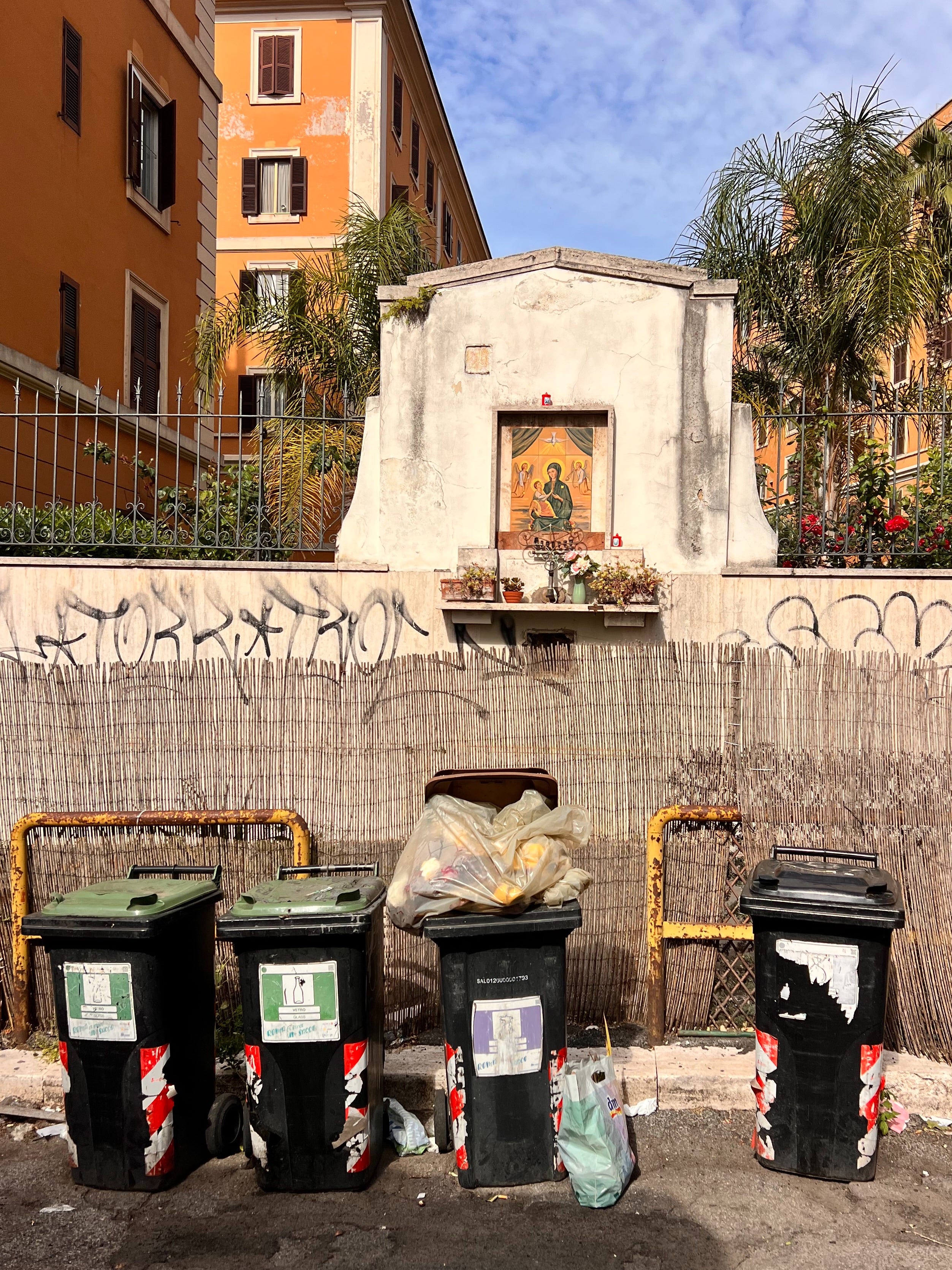
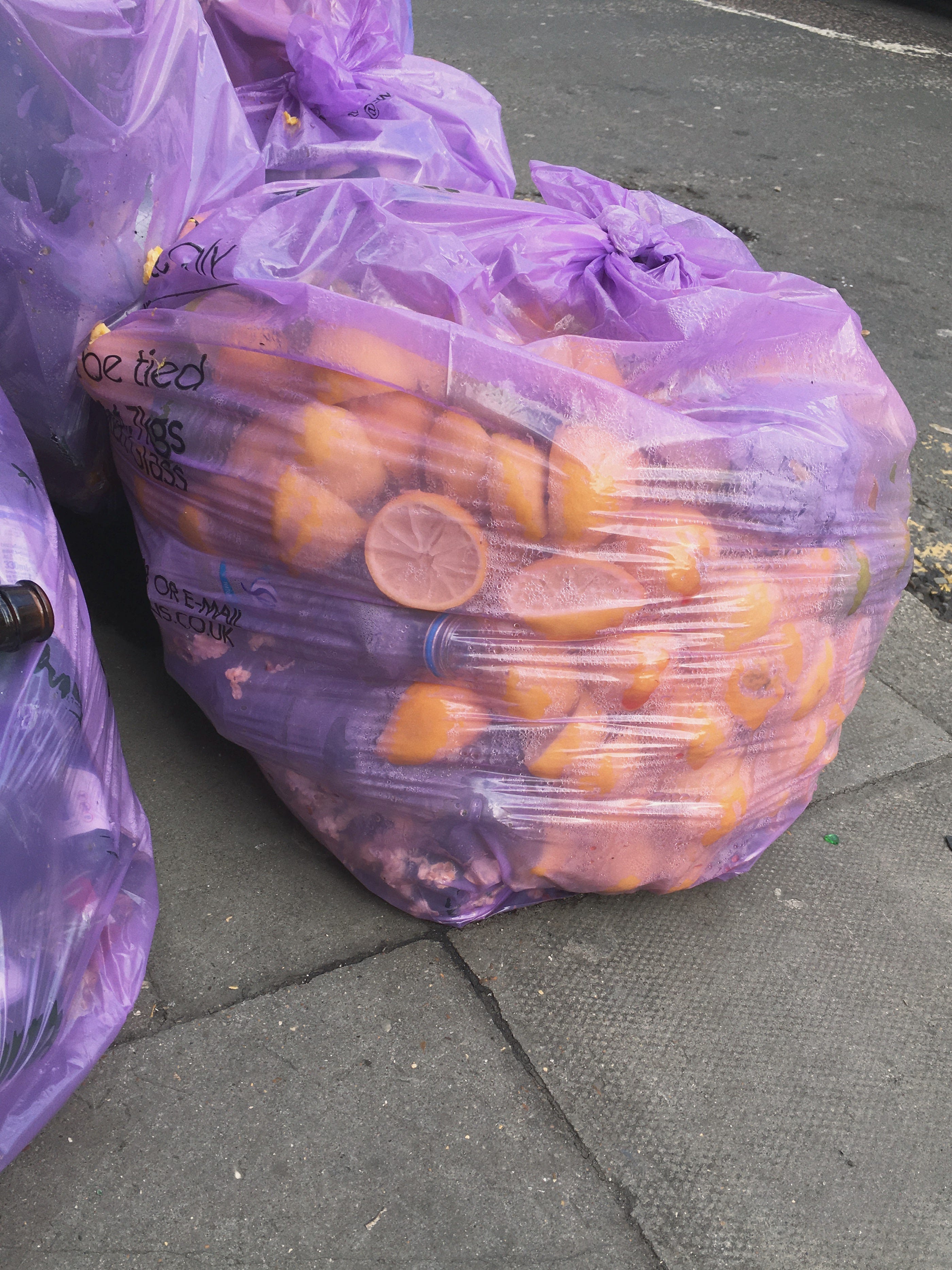
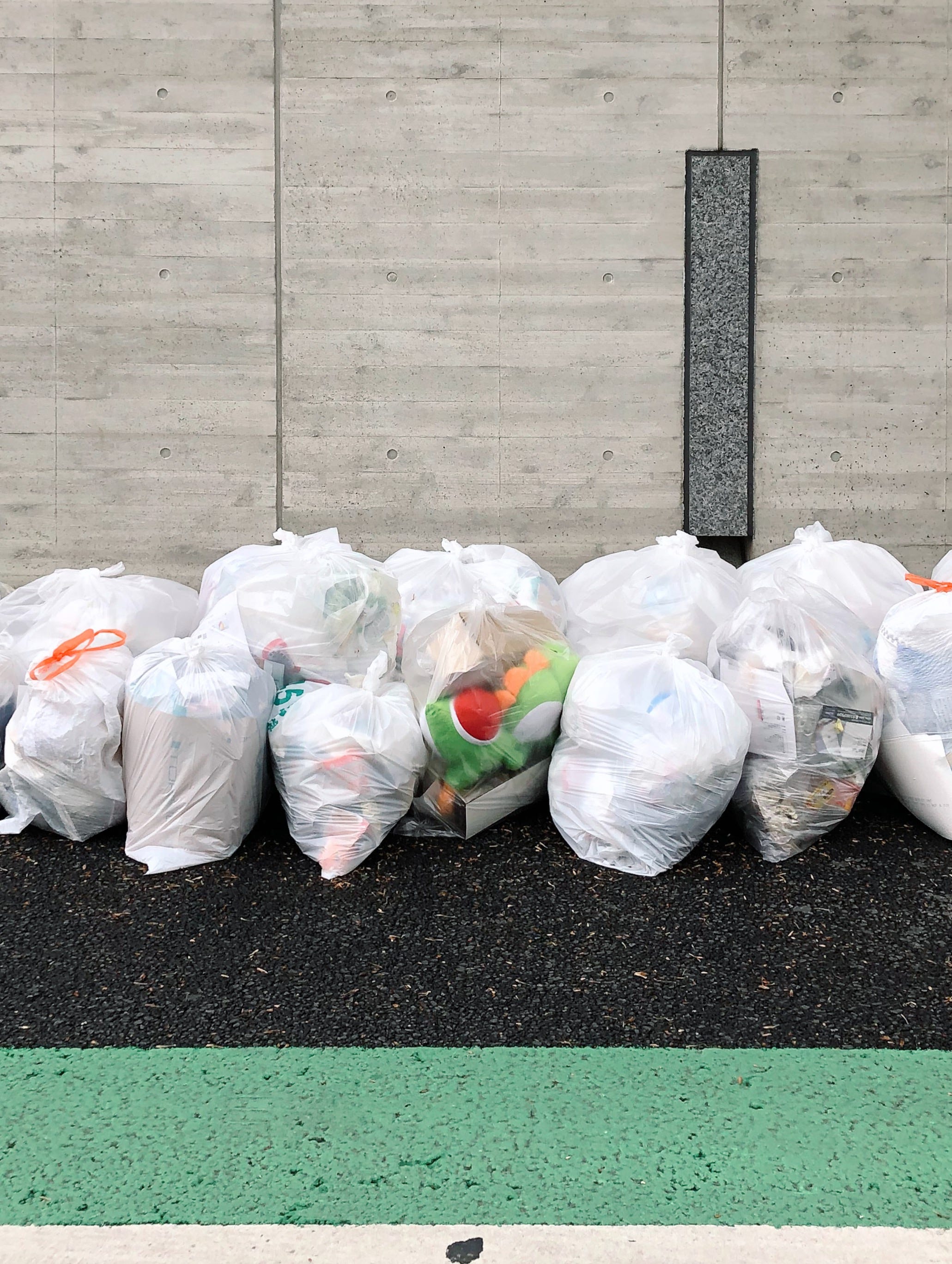
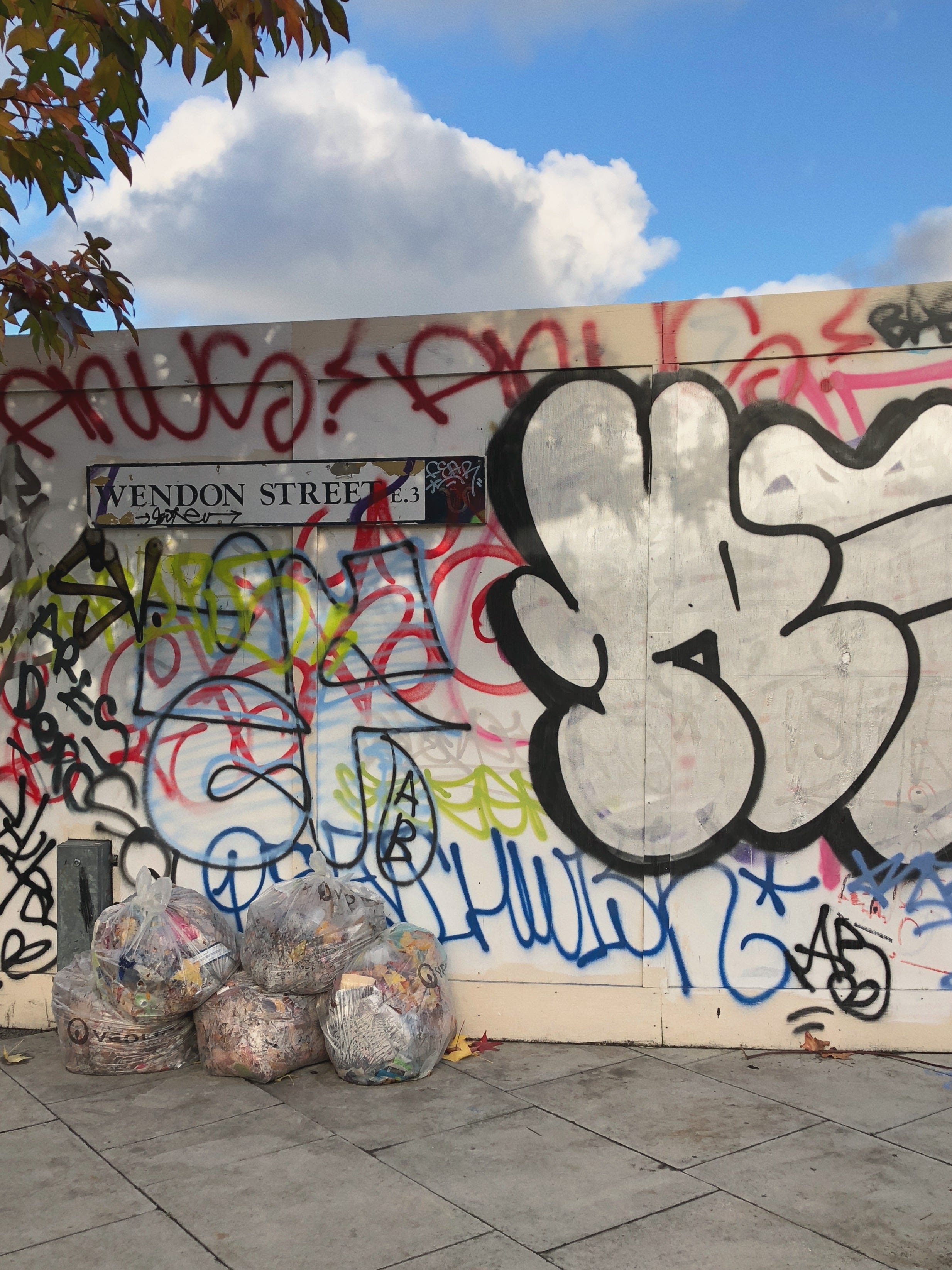
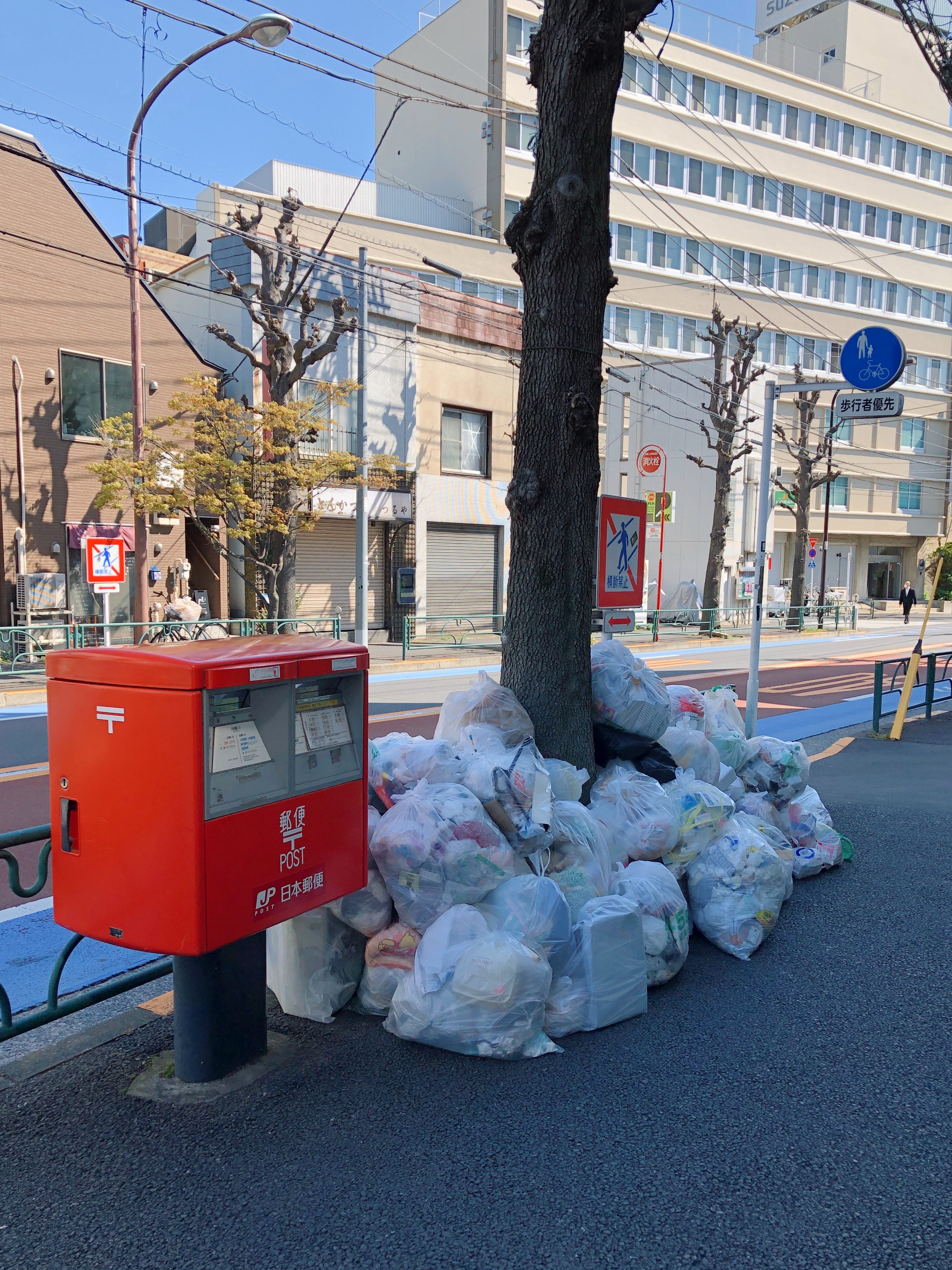
Rubbish. The way it is handled by citizens and managed by local authorities tells us so much about a place.
P.S. even postcards sometimes end up in the rubbish.
Photography is a form of documentation, and cities are made of so many things, aren't they?
As an aside, I find that people are more likely to understand my meaning/intention in a long format post (i.e. substack/blog) vs shorter format like at instagram. Here I might be able to give more context via words and photographs. Sometimes at instagram people miss context perhaps because they are moving more quickly through the imagery or words.
Great observations. Photos like these give a much more interesting insight into a place than glossy postcard pics. Especially if you’re interested in how life actually is there instead of the „official„ version.
Thanks for not retracting!😊